ICHEI Visited Brazil and Chile to Advance Global Partnerships for Higher Education Digital Transformation
From 12 to 17 May 2026, Mr. XU Mingshun, Chief of the Administrative Affairs Office of UNESCO-ICHEI, and Mr. YANG Shangyi, Programme Officer of the Global Partnership and Programme Office, visited Brazil and Chile for institutional exchanges. The delegation visited the Brazilian Mathematical Society, the State University of Campinas, the University of São Paulo, the UNESCO Regional Office in Santiago (UNESCO Santiago), Universidad del Desarrollo, and the Pontifical Catholic University of Chile. Discussions focused on higher education digital transformation, AI-empowered teaching and learning, micro-certification course co-development, smart campus solutions, and the expansion of regional cooperation mechanisms.
During the visit to Brazil, delegations signed a Memorandum of Understanding between UNESCO-ICHEI and the Brazilian Mathematical Society and met with its President, Professor Jaqueline Mesquita. The two sides will explore cooperation in mathematics education, AI-assisted teaching and learning, and the development of digital course resources. The delegation also visited the State University of Campinas, where it exchanged views with representatives from the International Relations Office, the Faculty of Education, the School of Engineering, the Institute of Computing, the Institute of Mathematics, Statistics and Scientific Computing, and other faculties and departments. The delegation then visited the University of São Paulo and met with Professor Roberto Marcondes, Director of the Institute of Mathematics and Statistics. During the meetings, UNESCO-ICHEI delegation introduced its institutional mandate, the International Institute of Online Education (IIOE), the "AI+" micro-certification courses, and Smart Classroom initiatives. The Brazilian universities expressed strong interest in potential cooperation in Portuguese-language course co-development, teacher digital capacity building, "AI + Life Sciences", "AI + Clean Energy", "AI + Cross-Border E-Commerce" courses, and smart education demonstration applications.
| UNESCO-ICHEI delegation signed an MoU with the Brazilian Mathematical Society | 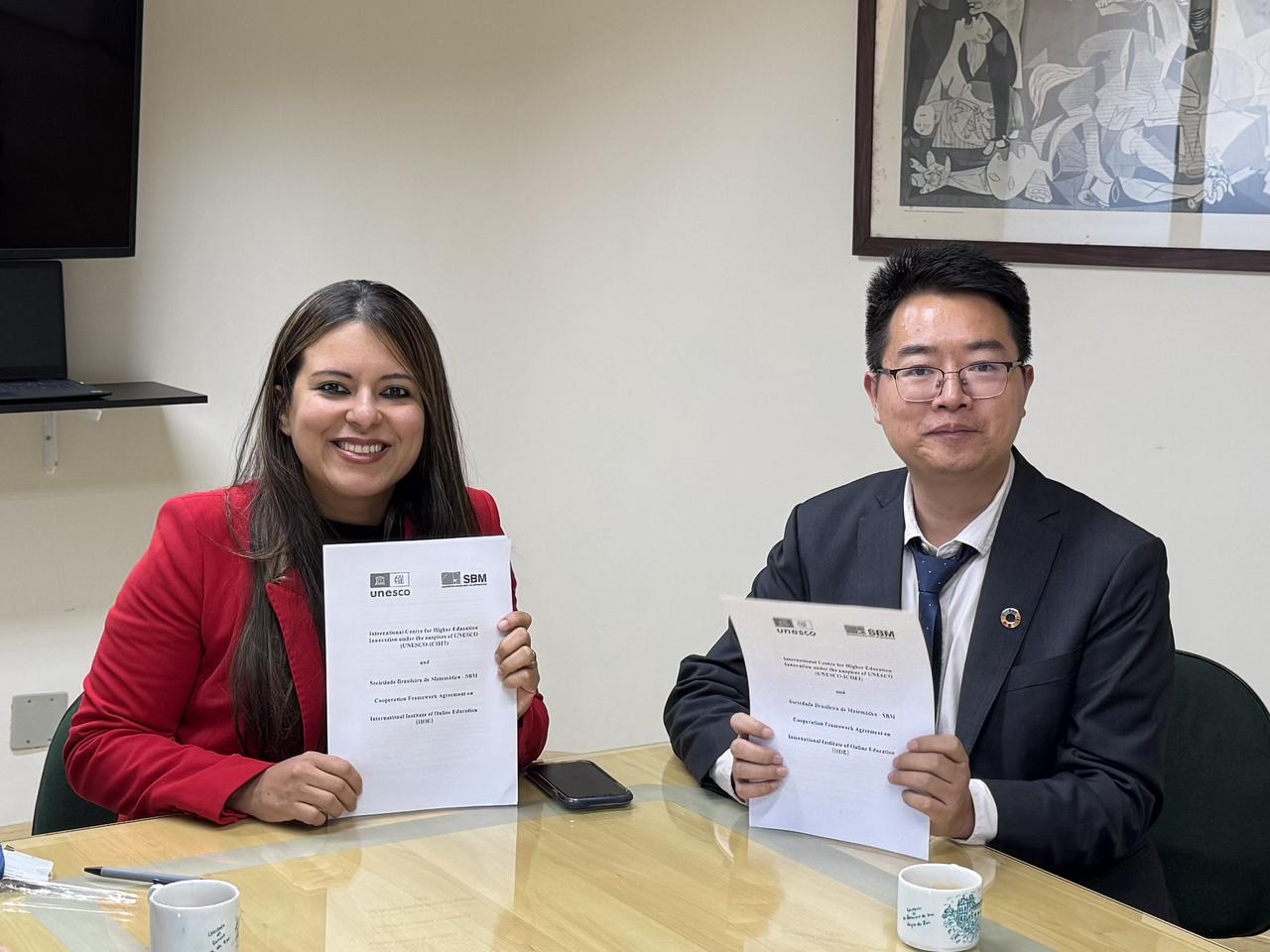 |
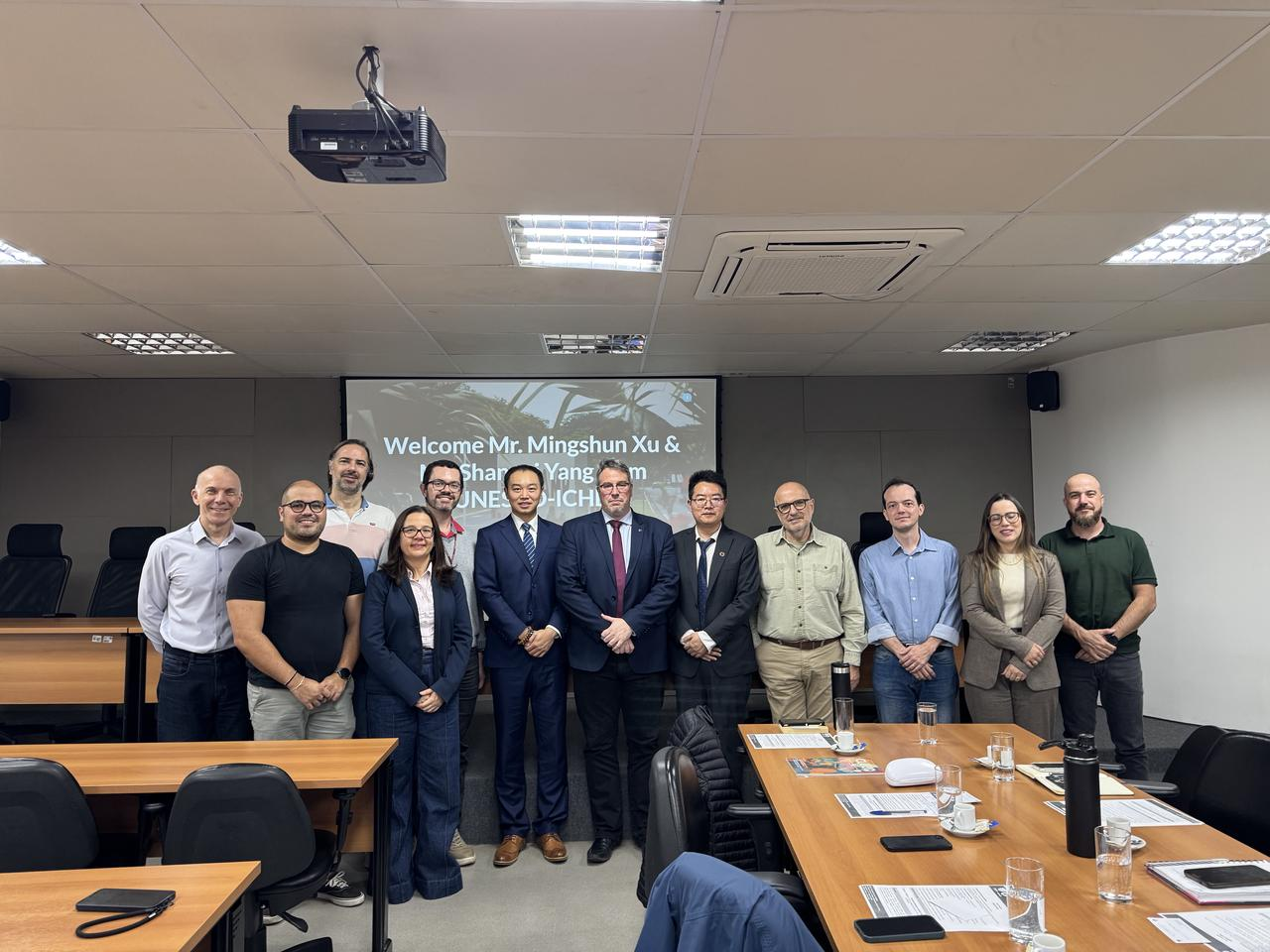 | UNESCO-ICHEI delegation visited the University of São Paulo |
| UNESCO-ICHEI delegation visited the State University of Campinas | 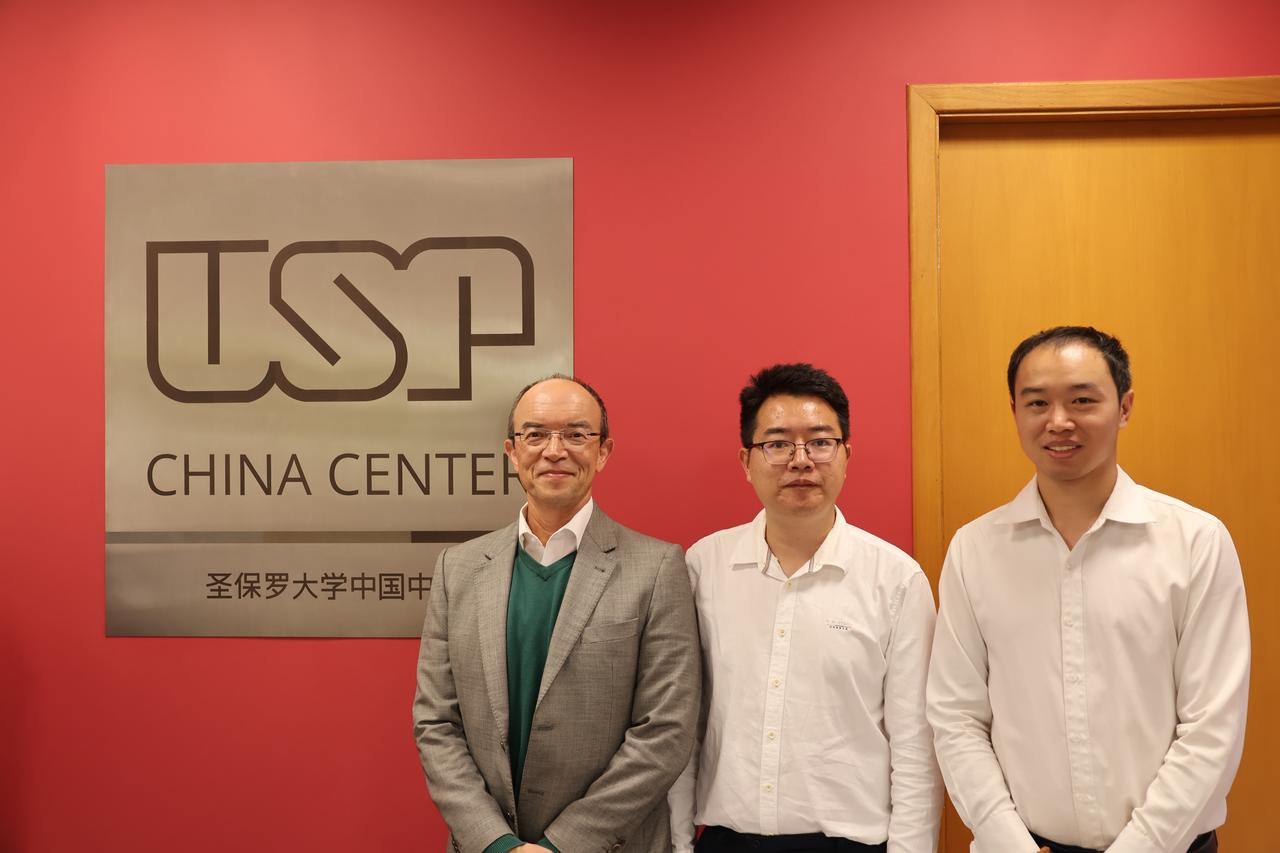 |
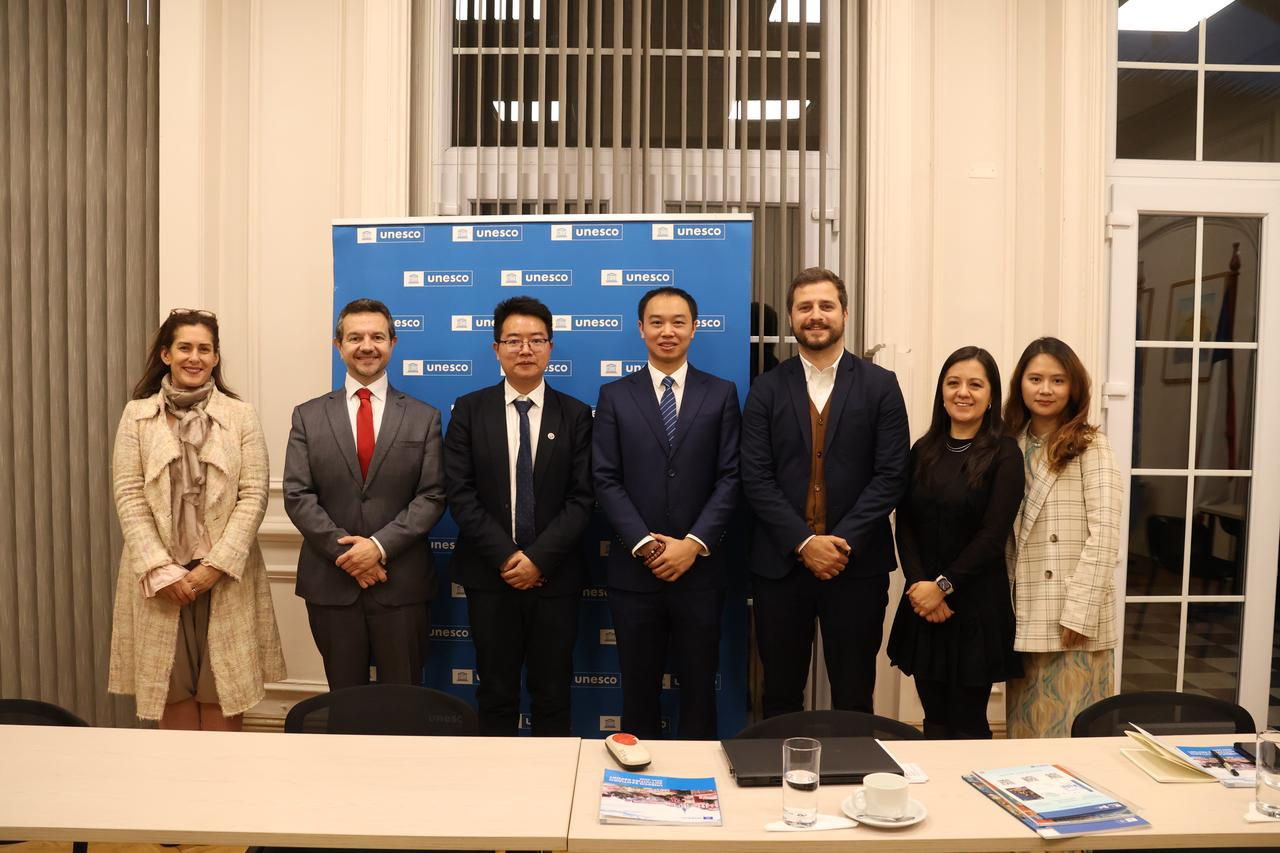
During the visit to Chile, the UNESCO-ICHEI delegation met with Ms. Esther Kuisch Laroche, Director of UNESCO Santiago. The two sides held in-depth discussions on AI-empowered education, course resource sharing, teacher training, smart campus development, and regional dialogue. The Office also introduced its ongoing AI Observatory in Education initiative for Latin America and the Caribbean, and encouraged UNESCO-ICHEI to participate in relevant cooperation to further strengthen engagement with universities and educational institutions across the region.
UNESCO-ICHEI visited UNESCO Santiago The UNESCO-ICHEI delegation visited the University of Development of Chile, where it met with Professor Eugenio Guzmán, Dean of the Faculty of Education and the Faculty of Economics and Management, and Professor Mauricio Bravo, Associate Dean of the Faculty of Education. The delegation then held an exchange meeting with representatives from multiple departments and faculties of the Pontifical Catholic University of Chile, including its ICT Centre, Faculty of Education, Faculty of Economics and Management, and School of Engineering. Both universities responded positively to potential cooperation on the IIOE platform, "AI+" micro-certification courses, Spanish-language course co-development, teacher digital capacity building, and smart campus development. Alexis Alvear, Executive Director of the Vice-Rectorate for Digital Intelligence at the Pontifical Catholic University of Chile, noted that, leveraging its regional influence across Latin America and the Caribbean, it is well positioned to explore practical cooperation in course resource development, micro-certification mechanisms, and AI-driven teaching innovation. During the visit, UNESCO-ICHEI also coordinated exchanges between Chinese smart education enterprises, including MAXHUB and Guangzhou Dazzview Intelligent Technology Co., Ltd., and universities and international organizations in Latin America. The enterprises presented solutions in smart classrooms, interactive teaching, and campus digitalization, contributing to stronger alignment between high-quality Chinese education technology resources and the Latin American education ecosystem. UNESCO-ICHEI delegation, representatives from MAXHUB and Guangzhou Dazzview Intelligent Technology Co., Ltd. visited UNESCO Santiago This visit represents an important step for UNESCO-ICHEI in expanding its cooperation network in Latin America and deepening digital higher education cooperation across the Global South. Moving forward, UNESCO-ICHEI will continue to leverage platforms such as the IIOE to work with partners in Brazil, Chile, and the wider Latin American and Caribbean region on multilingual course co-development, Smart Classroom demonstration sites, teacher digital capacity building, and AI-empowered higher education, contributing to digital transformation and sustainable development in higher education.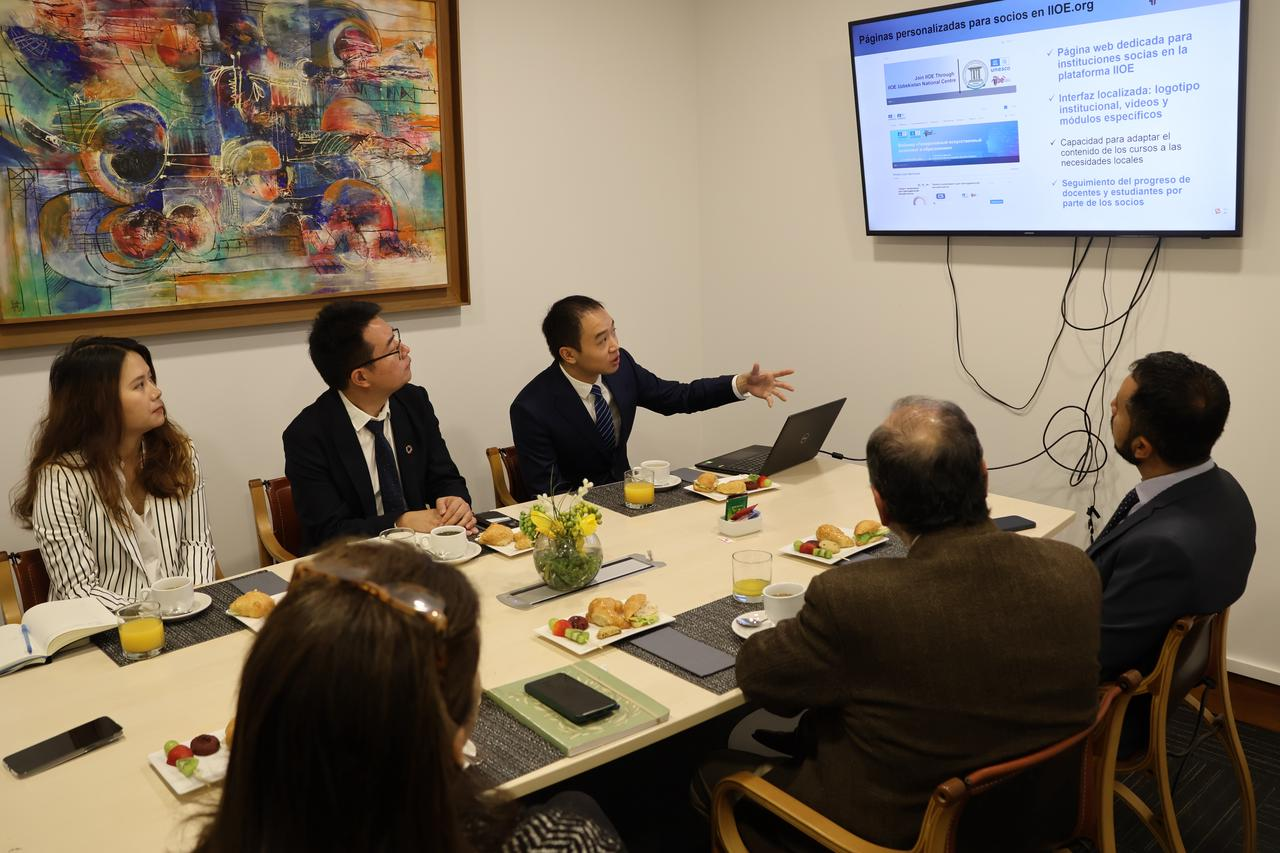
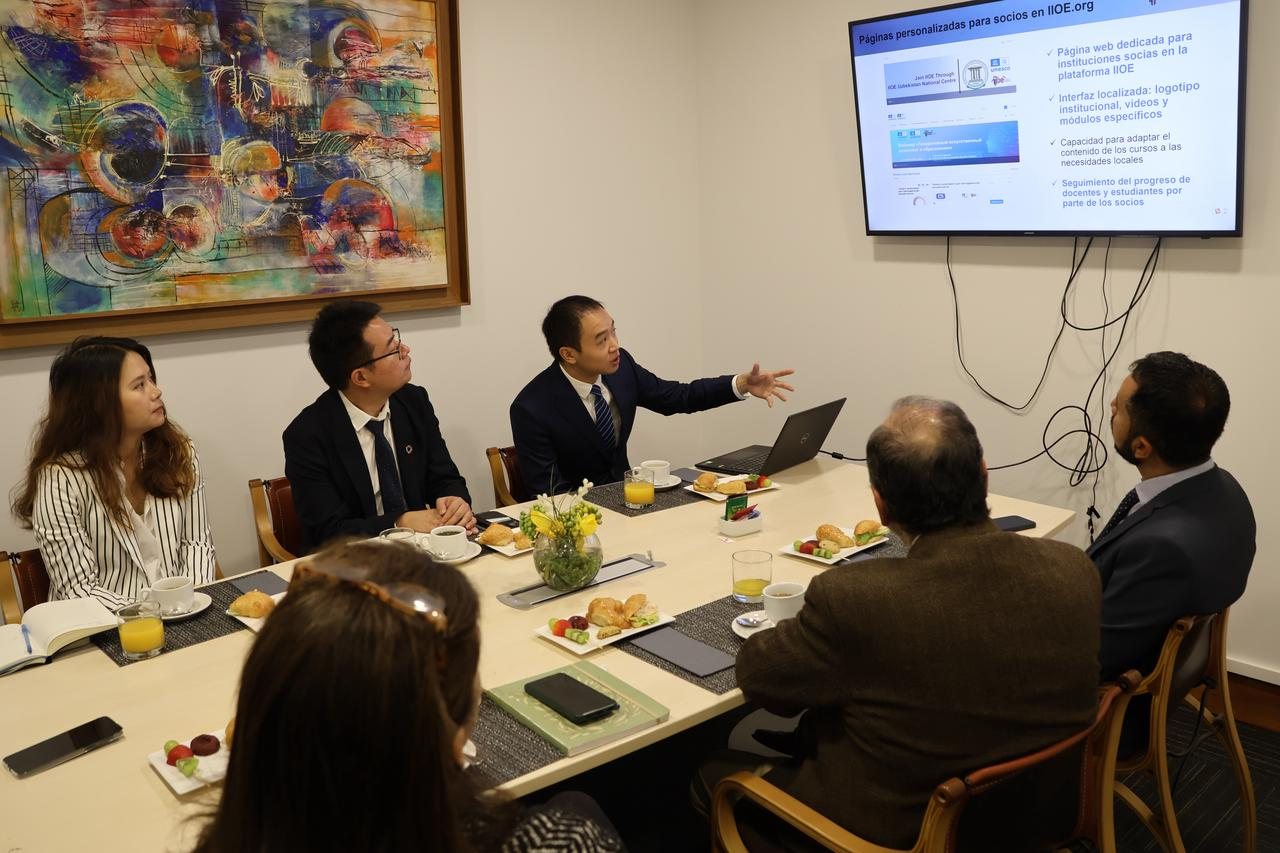
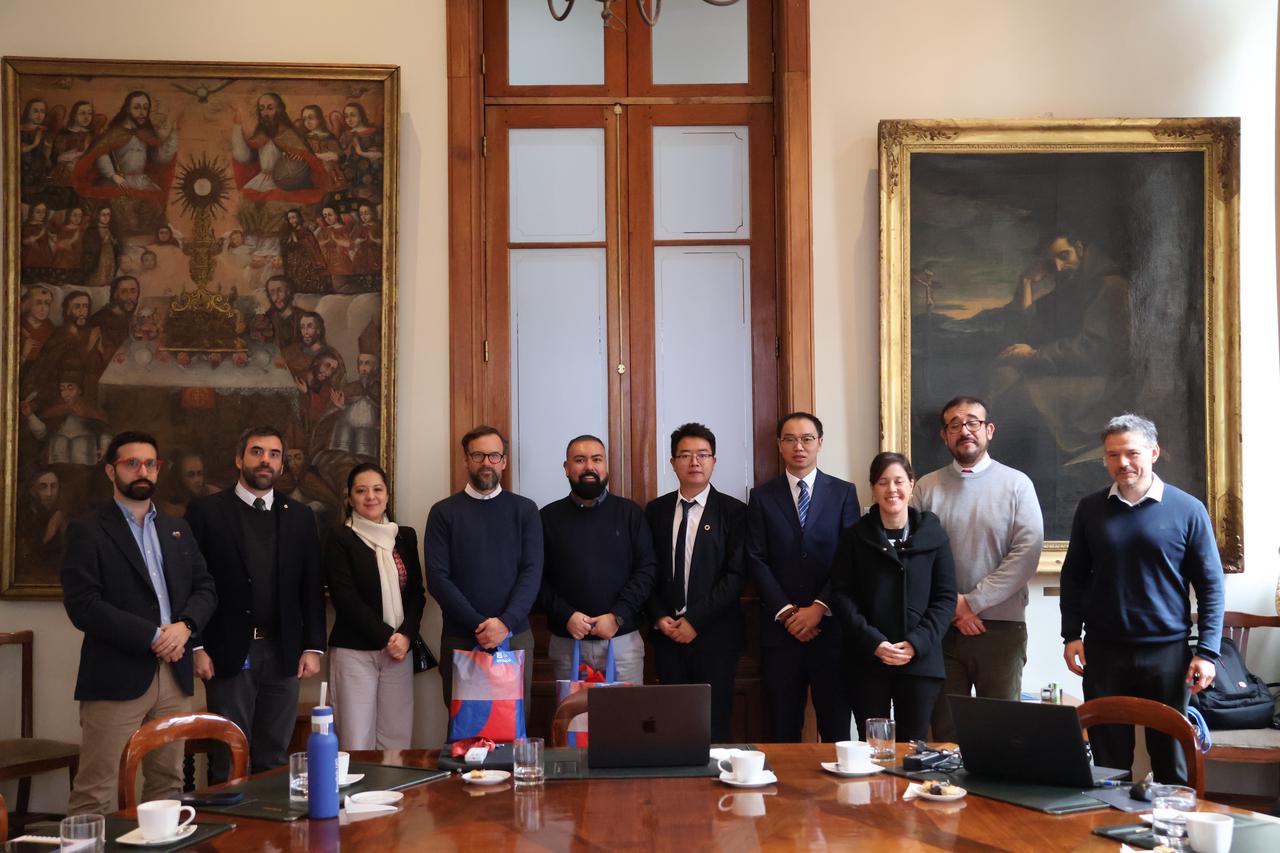
UNESCO-ICHEI delegation visited the Universidad del Desarrollo UNESCO-ICHEI delegation visited the Pontifical Catholic University of Chile 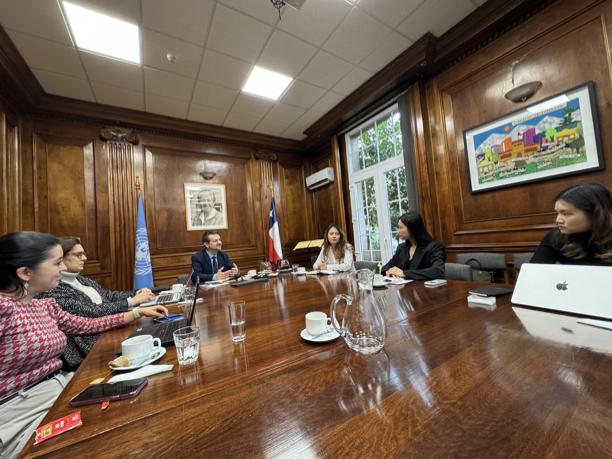
About the Brazilian Mathematical Society (Sociedade Brasileira de Matemática) Founded in 1969, the Brazilian Mathematical Society is one of the most influential national academic organizations in the field of mathematics in Brazil. It is committed to enhancing the quality of mathematics education at all levels and promoting advanced academic research in mathematics and related fields. As an important bridge for mathematics education and research in Brazil, the Society plays a key role in connecting local higher education institutions, advancing AI-enabled basic education, and supporting the development of digital course resources. About the State University of Campinas (Universidade Estadual de Campinas) Founded in 1962, the State University of Campinas is one of the leading public research universities in Brazil and Latin America. According to the QS World University Rankings 2026, the university ranks 233rd globally, 3rd in Latin America, and 2nd in South America. The university has strong teaching and research capacity in science and engineering, computer science, engineering, agricultural engineering, and teacher development. It has well-established learning management systems and online learning platforms, and is actively exploring the impact of artificial intelligence on teaching and learning. About the University of São Paulo (Universidade de São Paulo) Founded in 1934, the University of São Paulo is one of Brazil's largest and most comprehensive public universities, and one of the most influential higher education institutions in Latin America. It ranks 108th in the QS World University Rankings 2026 and 1st in the Times Higher Education Latin America University Rankings 2026. With a comprehensive disciplinary structure, a large student and faculty body, multiple campuses, and strong research capacity, the university offers broad opportunities for cooperation in curriculum introduction, teaching innovation, smart campus development, and the upgrading of modern teaching facilities. About the UNESCO Regional Office in Santiago Established in 1963, the UNESCO Regional Office in Santiago is an important UNESCO institution for advancing regional cooperation in Latin America and the Caribbean. The Office supports Member States in strengthening education systems, promoting equity and quality in education, and positioning education as a key driver of sustainable development. Over the years, its mandate has expanded to cover education, science, culture, communication and information. As UNESCO's representative office in Chile, it actively contributes to United Nations regional cooperation mechanisms in Latin America and the Caribbean, supporting efforts to build more equitable, inclusive, and sustainable societies. About the University of Development of Chile (Universidad del Desarrollo de Chile) Founded in 1990, the University of Development of Chile is a well-known private university in Chile with a strong innovation-oriented profile, particularly in management, education, and teacher training. The university places strong emphasis on the impact of artificial intelligence on modern teaching, education quality, and educational ethics. Its teacher training centre has developed a solid foundation in teacher digital literacy training, online learning platform development, and micro-certification programmes, with a continued commitment to enhancing teachers' digital capacities in the region. About the Pontifical Catholic University of Chile (Pontificia Universidad Católica de Chile) Founded in 1888, the Pontifical Catholic University of Chile is one of the most prestigious and historic universities in Latin America, widely recognized for its academic excellence and strong regional influence. According to the QS World University Rankings 2026, the university ranks 116th globally, and 1st in both Latin America and South America. As a leading higher education institution in the Spanish-speaking world, it serves a broad community across Latin America. The university continues to advance digital teaching innovation, supported by a strong foundation in AI research and development, and is currently promoting the development and application of proprietary AI teaching agents.